The answer is yes. While not all tattoos will leave dark marks, the process is a form of skin trauma. For those with a predisposition to post-inflammatory hyperpigmentation (PIH), the extra pigment can be put in place as the skin heals from that injury.
Tahlia Morgan here. On the surface it is an easy question, but put yourself in the position of looking at some uninvited brown-grey colour around new ink and you start to ask if it is normal or permanent, or if something has gone amiss. Put simply, hyperpigmentation is a possibility with any tattoo, an overworked tattoo, an allergic reaction or even laser work. Tattoos can cause hyperpigmentation. It may well get better in time, though not always at a fast pace; what you do about it is dictated by the type of pigment change at hand.
Why you should be aware of this early on
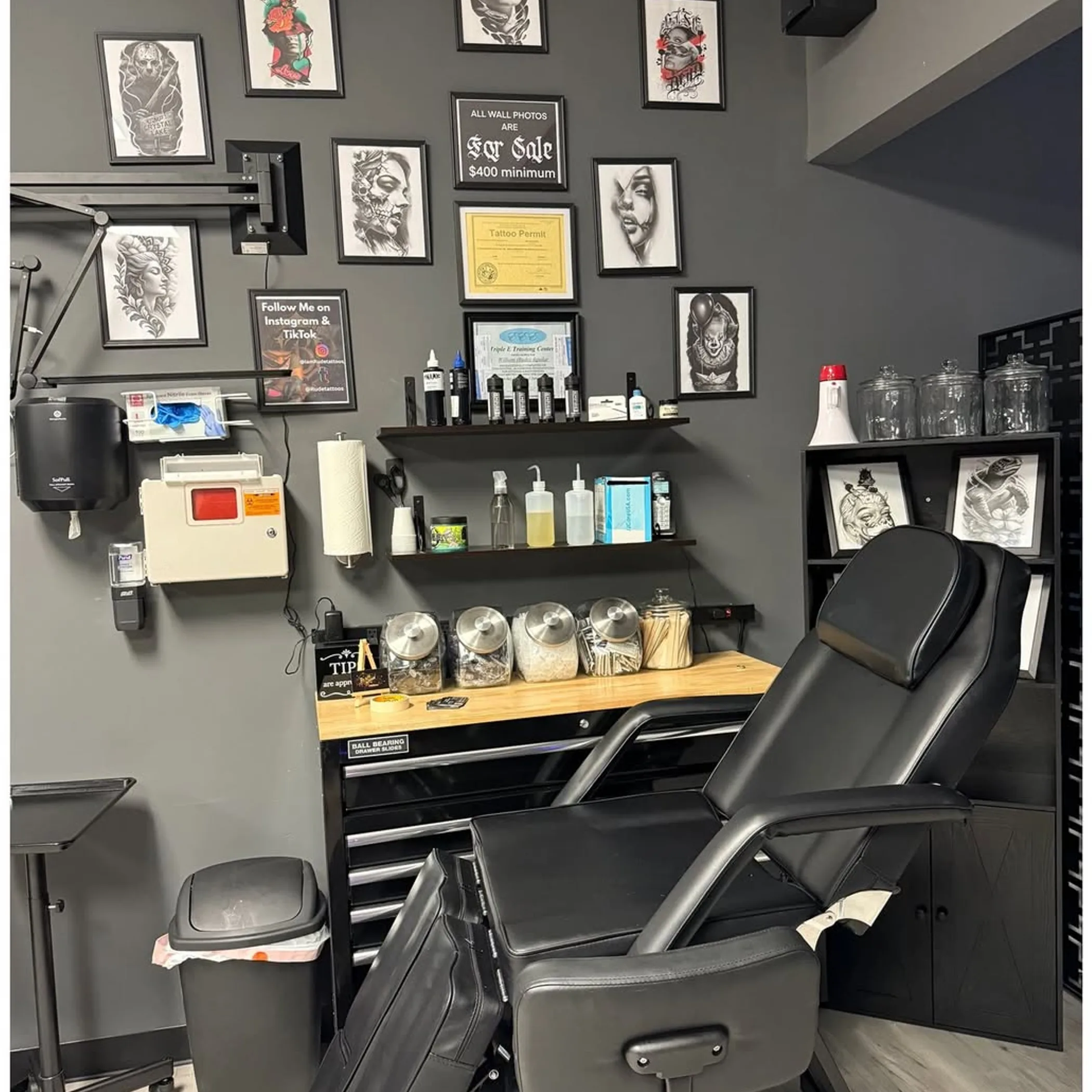
Designs, pain levels and ointment for aftercare are on most people’s minds. They are not thinking in terms of melanocytes and inflammatory pathways, or how an afternoon in the sun can complicate matters. That is where they are caught out.
As a skin educator I would say the advantage is to have a grasp on what constitutes normal healing versus post-inflammatory pigmentation or a matter for assessment. It spares you the trouble of going through products that do nothing but agitate things further, and saves a good deal of money and nerves.
In A Nutshell: What Is Hyperpigmentation
It is a darkening of the skin due to uneven distribution or a rise in melanin. The skin is irritated, the melanocytes are activated and the result is an area that is darker than its surroundings. With a tattoo you might see this in the design or around it, or following removal. Do not confuse it with the ink; the ink is there by intent, hyperpigmentation is the skin reacting.
Post-inflammatory hyperpigmentation (PIH) and ink are not the same thing.
PIH will present as a patch of tan, grey-brown or ash tone, sometimes straying from the lines of the design because it is following inflammation. Knowing the difference is key. If it is post-inflammatory, you want to treat it and put some hard and fast sun protection on the tattoo. But if you have dense pigment, using a skin-lightener is just going to ruffle the skin for no reason.
How it is triggered
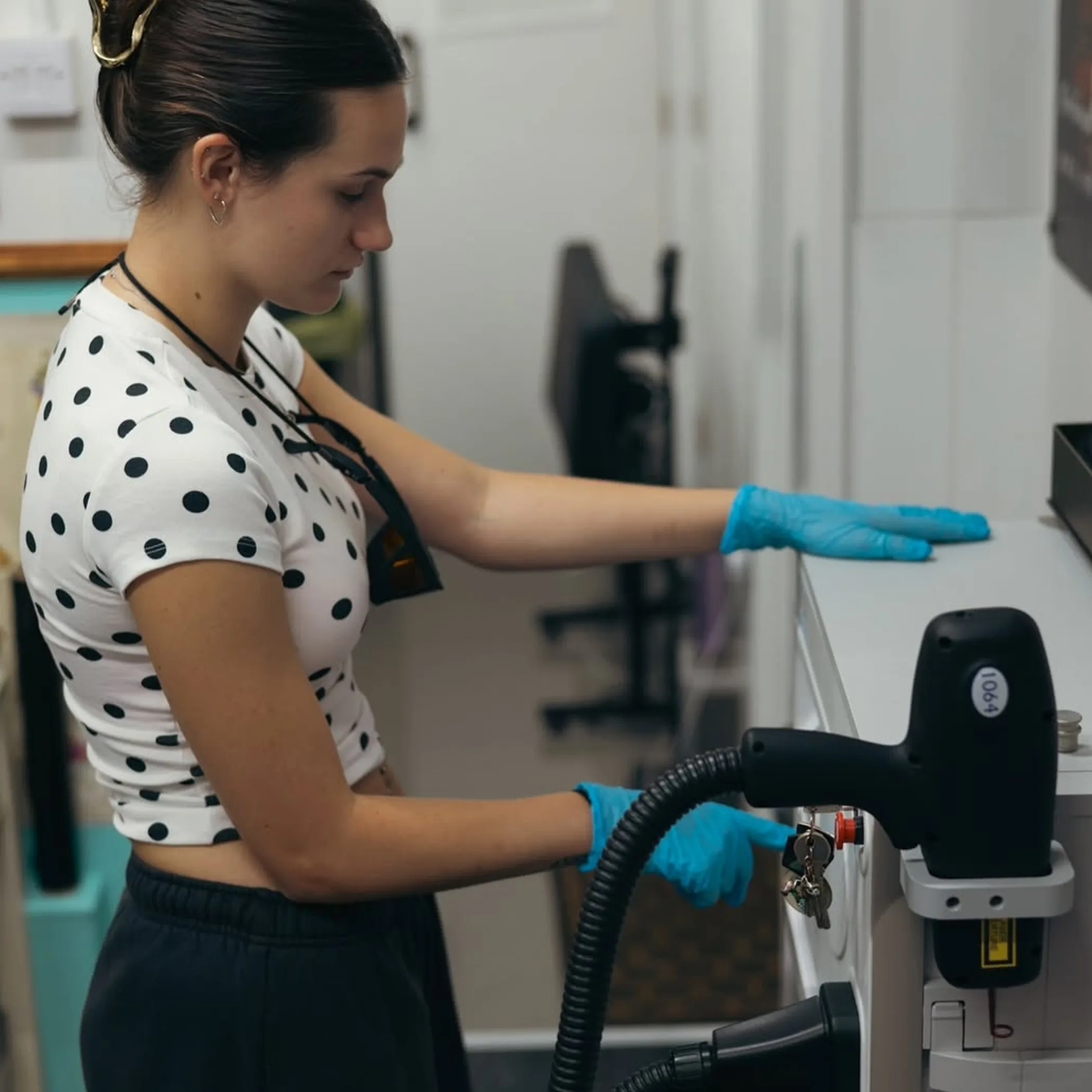
To put down pigment the skin is punctured again and again. Done right or wrong, it is still a trauma and in some cases that alone will bring on hyperpigmentation in the healing phase. Then you have the aggravating factors: UV rays, infection, picking, friction or a heavy hand. Add to the inflammation and you are inviting complications.
Melanocytes and Inflammation
Injury to the skin sends out inflammatory mediators to make repairs. In the right sort of skin those signals also tell the melanocytes to put out more melanin, which is what underpins PIH. People of a darker complexion are more open to this owing to more reactive melanocytes, not weaker skin, as some would have you believe.
Then there is the overworked tattoo.
The artist has needlessly gone over the skin, you have more scabbing and weeping and redness. It will heal but your chances of post-inflammatory pigmentation are up. One does not get much reward for being aggressive with the skin in a treatment room, be it with a needle or a laser.
Reactions
An allergy to the ink can darken the area too. Red inks get all the talk in the clinical papers but other colours are not immune. Should the spot become lumpy, inflamed or itch without end, the pigment is likely a by-product of that.
You can read up on such reactions in the likes of Healthline, Rheumatology Advisor or PubMed Central, but a diagnosis requires a clinical eye. Do not take a mate’s word for it, a phone photo is of more use.
Risk is not uniform
Technique, sun exposure, how you heal and your skin type will determine your risk. Your skin will let you know if it has a propensity to pigment when put upon, provided you have the scars to prove it. Be they from a cat’s scratch, eczema, a burn, waxing or acne, dark marks of any kind are an indicator. In fact that sort of history is of more value than an internet skin quiz.
| Risk Factor | Why It Matters | What To Do |
| Darker skin tones | Reactive melanocytes and PIH are more of a possibility | An artist with experience is called for, as is aftercare in strict measure |
| A record of PIH | What has happened before is a fair predictor of what is to come | Have the matter of risk put to rest before you are tattooed and do not invite trauma |
| UV exposure | The sun has a way of deepening post-inflammatory pigmentation | When the tattoo has healed enough, make sun protection a priority |
| Overworked tattoo | Inflammation begets pigment risk | Go with a reputable artist who has a measured hand |
| Poor aftercare | Irritation, infection, friction and picking will see healing go astray | Stick to a simple, consistent routine |
| Laser removal | Can leave you with light patches or darkening | Seek the opinion of a dermatologist or someone versed in laser work |
It is a mistake to think that only “sensitive skin” carries the risk. One sees all manner of people with oily, resilient skin develop pigment if they are overexposed to the sun or overtreated.
What It Looks Like
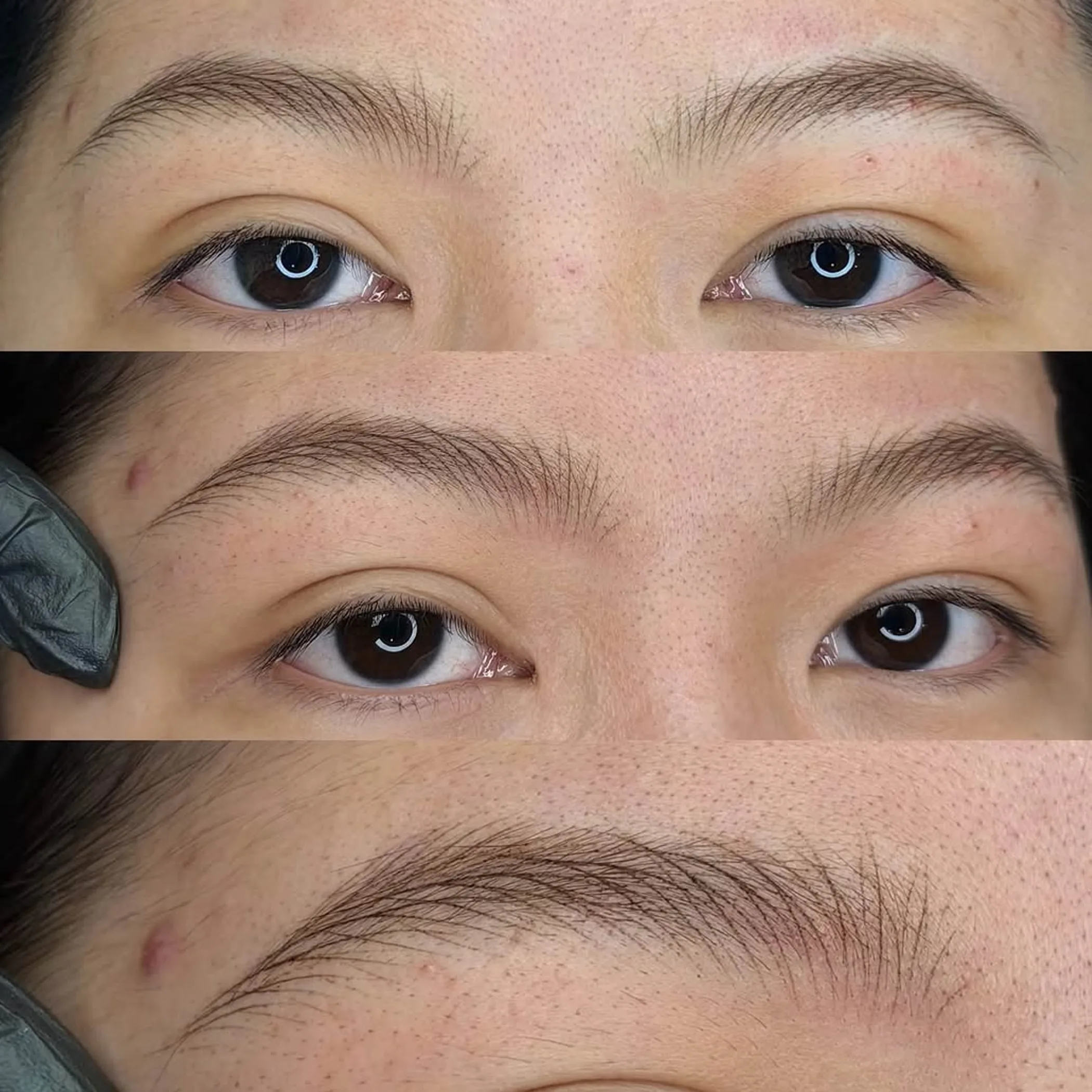
You can tell by the pattern and the timing. There is a difference between normal redness in the early going and something like hyperpigmentation that lingers.
Some redness, swelling and warmth are to be had with a new tattoo but only for a while. With hyperpigmentation the picture is clearer once the acute phase of healing is done and the surface has put its deeper colour changes on display.
Typical Timeline
For the most part, after the inflammation is no longer visible it will take days or at best weeks for a change in pigment to make itself known. Where there has been a lot of irritation or a removal procedure, it may be several weeks before it is evident.
Do not look for a weekend miracle when it comes to improvement; it is a slow process. PIH will fade of its own accord in time though some cases are more tenacious than others.
Expectation Vs Reality
“Take off the scab and I will have my answer.” Not so. Pigment problems have a habit of revealing themselves well into the healing phase which is what causes the late panics.
“If it is dark the artist has put on too much ink.” Occasionally true, yet in many instances it is your skin reacting, nothing to do with excess pigment.
How To Lower The Risk
There is nothing glamorous about good prevention but it does the bulk of the work. You want to keep unnecessary inflammation to a minimum from start to finish.
Clean and untroubled skin heals better, so less fuss is preferable. Over-moisturising and over-cleaning are not going to be rewarded.
Make sure your tattoo artist is skilled and can show you examples of healed work, not just the latest photographs.
Do not get tattooed on broken skin or where there is active dermatitis, acne or eczema.
Put the artist in the picture regarding any allergies, keloids, prior reactions or PIH.
Heed the aftercare instructions, resist the urge to pick at flaking skin and stay away from tight gym wear or clothing that rubs.
After the surface is mended, protect the tattoo from UV rays. Making small, consistent efforts for your skin is always a winning strategy—much like the Small things to do in darwin habits that pay off which simplify your travel planning by building good routines early.
The Australian Government Department of Health and Aged Care has some sensible guidance on body art and bloodborne virus safety for official infection-prevention. Their focus is on controlling infection but the principle holds: a safer approach means fewer complications.
What Helps It Fade
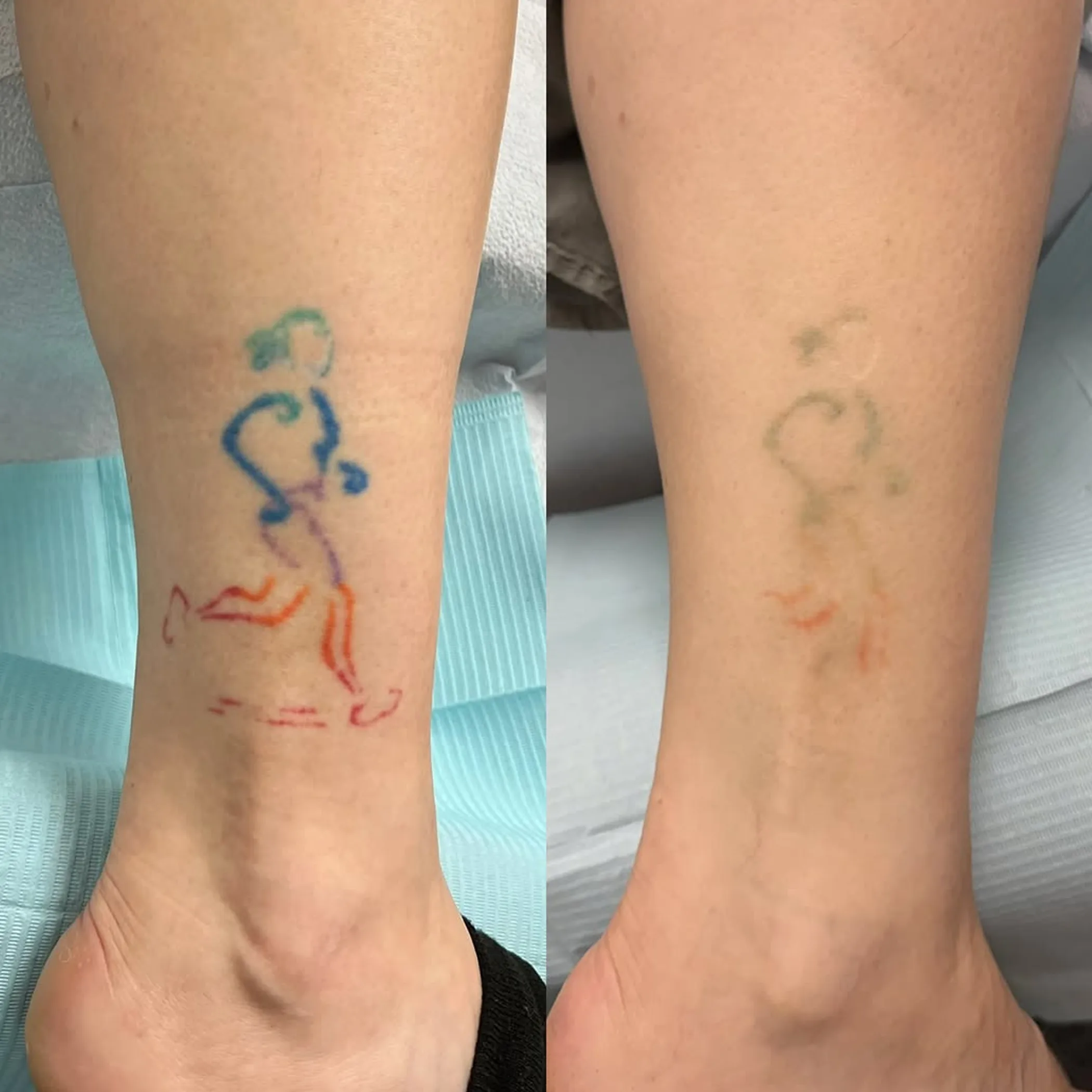
Self-diagnosis is something of a lottery. If the area is still darker once healed, whether it is an allergic process, scarring, retained pigment or PIH will determine how you treat it.
And trying to put harsh acids on it because TikTok says so before the skin barrier is right is a sure-fire way to aggravate matters.
Topical Options
Agents for lightening can be of use with post-inflammatory pigmentation but one must be circumspect around a tattoo as some will irritate or affect the look of the surrounding skin. Dermatologists will talk of azelaic acid, retinoids, niacinamide, tranexamic acid and the like but it is a question of what suits the presentation.
As for a quick fix? “Quickly” is not the right word. Regulating the pigment in a steady fashion and keeping down inflammation and UV will serve you better.
Procedural Support
A dermatologist might put forward an in-clinic option for recalcitrant PIH, a chemical peel for instance. Caution is warranted with procedures on reactive or recently tattooed skin.
Should the area be raised or inflamed or you suspect an allergy then the plan is altered; first you calm the reaction, then you worry about fading the pigment.
The Risks of Removal
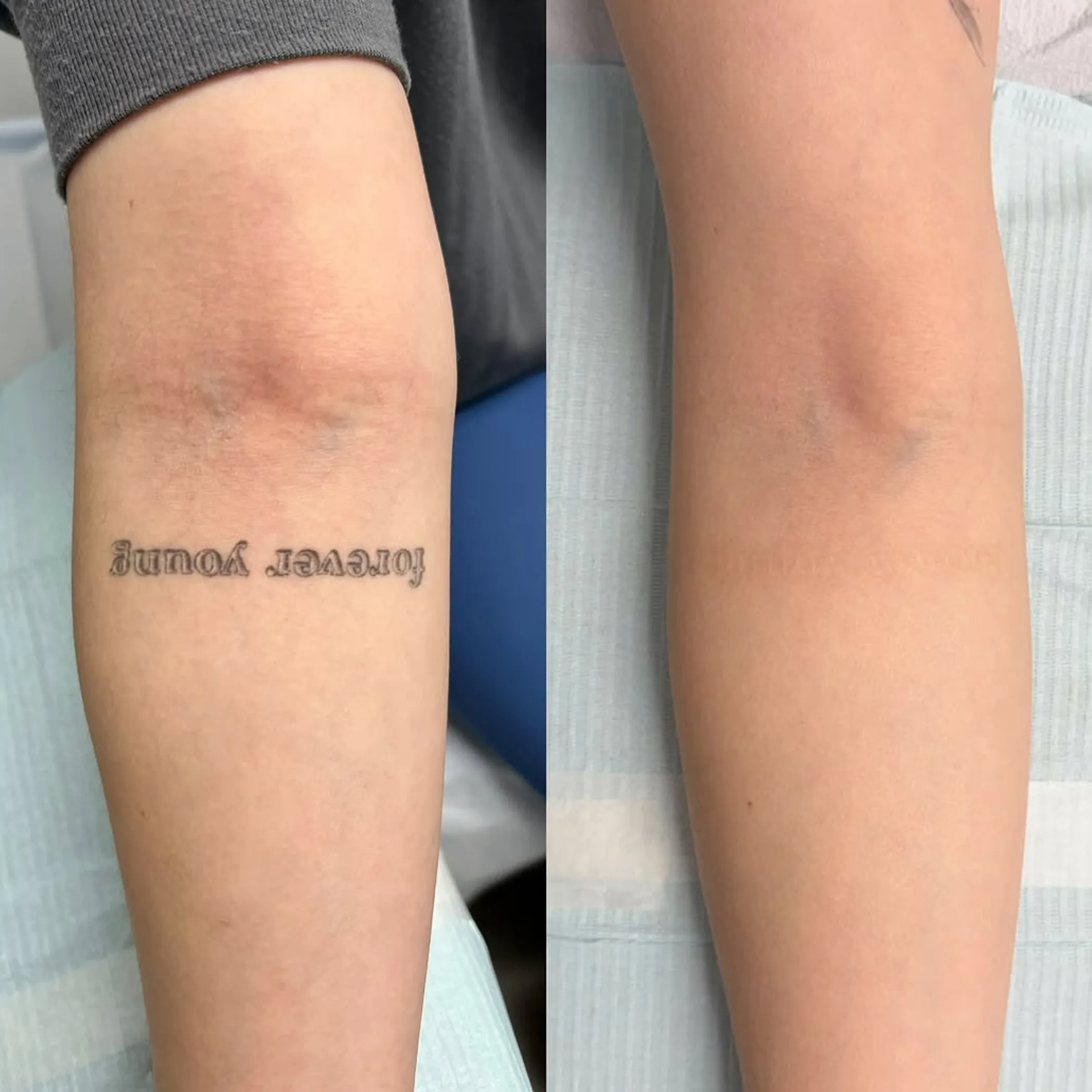
It is a common misconception that a laser will obliterate a tattoo and put normal skin in its place. The fact of the matter is there are risks to be had with laser removal, not the least of which are hyperpigmentation and hypopigmentation.
For those with darker complexions or a fresh tan, or where the treatment has been high-fluence or the skin has been put through too many sessions, this is all the more so. Effective as it can be, from the standpoint of pigment removal it is not quite as straightforward as some would have you believe.
Hyperpigmentation And Hypopigmentation
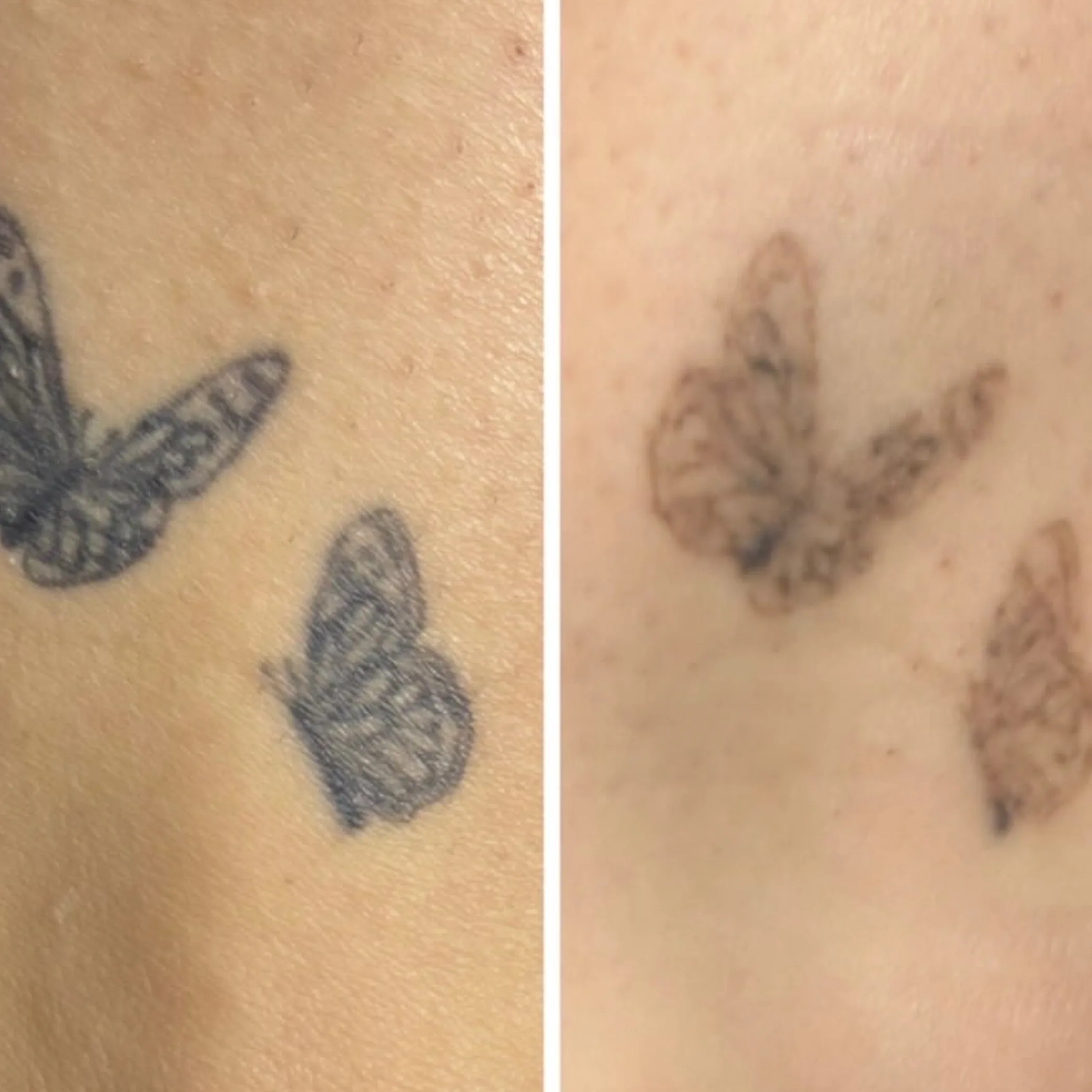
With hyperpigmentation the area will put on a darker hue as it heals; hypopigmentation is when melanin production is curtailed or interfered with and the healing is lighter. You can get either from a laser and while they may well get better in time, no one should be making guarantees.
Will hyperpigmentation left by the procedure disappear? In most instances at least in part it will. Provided the inflammation is down and UV kept in check, months will see many cases fade away, though for others it lingers or calls for some kind of treatment. Hypopigmentation tends to be a more of an unknown and slower process.
On The Subject Of Providers
You will hear Removery, ZapplaserStudio, EmpoweredInk or Cosmetic Tattoo Melbourne put forward, and colour manufacturers such as StarBriteColors figure in the discourse over tattoos. But branding is not the issue. One wants to know if the operator or clinician has a grasp of what makes for a risky skin type and the attendant pigmentary complications, and knows when to hold off.
Before going ahead with removal, put them to the test on PIH risk in darker skin, what the downtime and true cost is, how many sessions are called for and their interval timing. A request for test spots is in order. Should they not want to address that sort of thing, I would have my reservations.
Tattooing Over It
There are constant inquiries as to whether one can put a new tattoo over old pigment changes or do some camouflage work. It is not a magic eraser. If the pigmentation is in flux or tied up in inflammation, you are as likely to make a bigger problem of it with a camouflage tattoo as you are to improve it visually.
That said, an experienced hand can make camouflage viable in areas that have been soundly evaluated. This demands an input from a dermatologist or medical tattoo specialist at times and a good eye for colour matching. Is it necessary to be rid of every bit of hyperpigmentation first? Not always, but the area must be fully healed and stable. Any sign of ongoing inflammation is a red flag.
When To Put Your Patience Aside
Patience has its place but there is a time when it is a waste. Have it seen to if it is hot, blistered, spreading, raised, painful or just not healing like it ought to.
I am Tahlia Morgan and I will put it to you straight: if you are concerned enough to be photographing it under every light in the bathroom, then a professional opinion is in your interest. There is nothing dire about it necessarily, but you can manage pigment issues better when you are sure of what is before you.
For something mild and early on a tattoo professional is fine for technique questions.
Make an appointment with a dermatologist should the colour change be stubborn or follow a laser session.
And if you have reason to think there is an infection or a severe allergy, do not delay in getting medical attention.
To Summarise
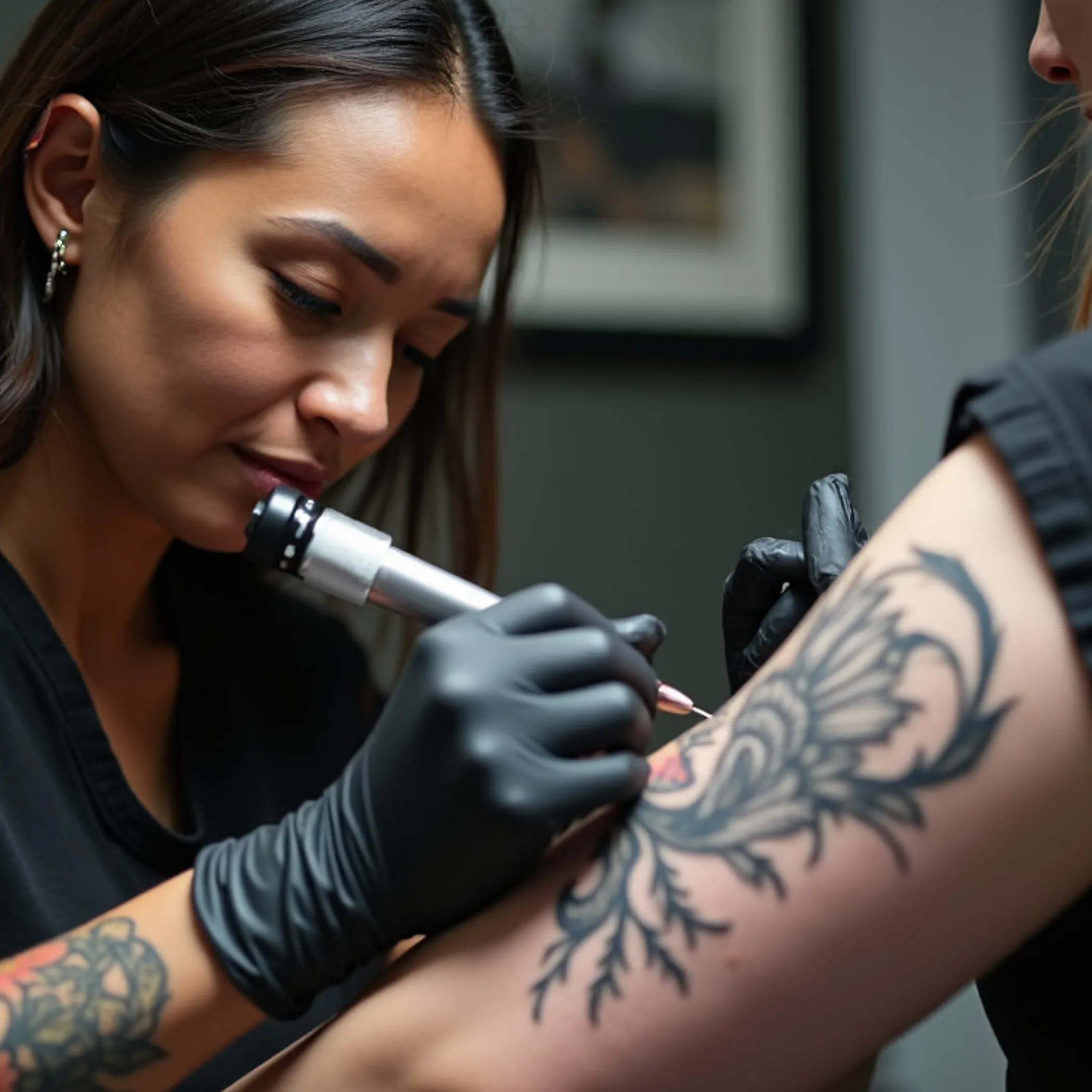
Tattoos and the errors in their aftercare can bring on hyperpigmentation. Technique, reactivity of the skin, UV and inflammation are the principal culprits. It is as much what surrounds the tattoo as the tattoo itself.
If new ink is in the offing, the sensible thing to do is select an artist with experience, mind the skin barrier and stay out of the sun. Do not be fiddling with it. Where the pigment has already changed, put in the work to get a proper diagnosis. That is how you make a stressful matter of the skin something you can deal with.
